Curriculum
Cybersecurity basics
MFA, 2FA, what is it?
0/2


MFA, 2FA, what is it?
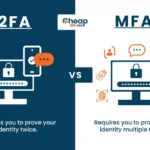
Welcome, first of all lets explore the difference between 2FA and MFA.
The primary difference is that 2FA (two-factor authentication) is a specific type of MFA (multi-factor authentication) that requires exactly two methods of verification, while MFA is a broader concept that can include two or more methods.
2FA involves using two distinct factors from these common categories:
-
Something you know: like a password or PIN.
-
Something you have: such as a mobile phone, hardware token, or smart card.
-
Something you are: like a biometric trait (fingerprint, facial recognition).
Typically, most 2FA implementations combine a password (knowledge factor) with a one-time code generated on a device (possession factor). This method significantly improves security by ensuring that even if one factor (like your password) is compromised, a second factor is still required for access.
MFA, on the other hand, encompasses any system that uses multiple methods—often two, but potentially three or more—to verify identity. MFA might add additional layers of security by including combinations like:
-
A password,
-
A security token,
-
A biometric scan, or
-
Geolocation data.
This extra layer or layers make MFA even more resilient to attacks. For example, in highly sensitive environments, an organization might require a password, a code from a hardware token, and a fingerprint scan, which makes unauthorized access exponentially harder than a standard 2FA setup.
In summary, while all 2FA is MFA, not all MFA is limited to just two factors—MFA is a more expansive approach to security that allows for greater flexibility and stronger defenses by incorporating multiple layers of verification.
Lesson Materials